Blog
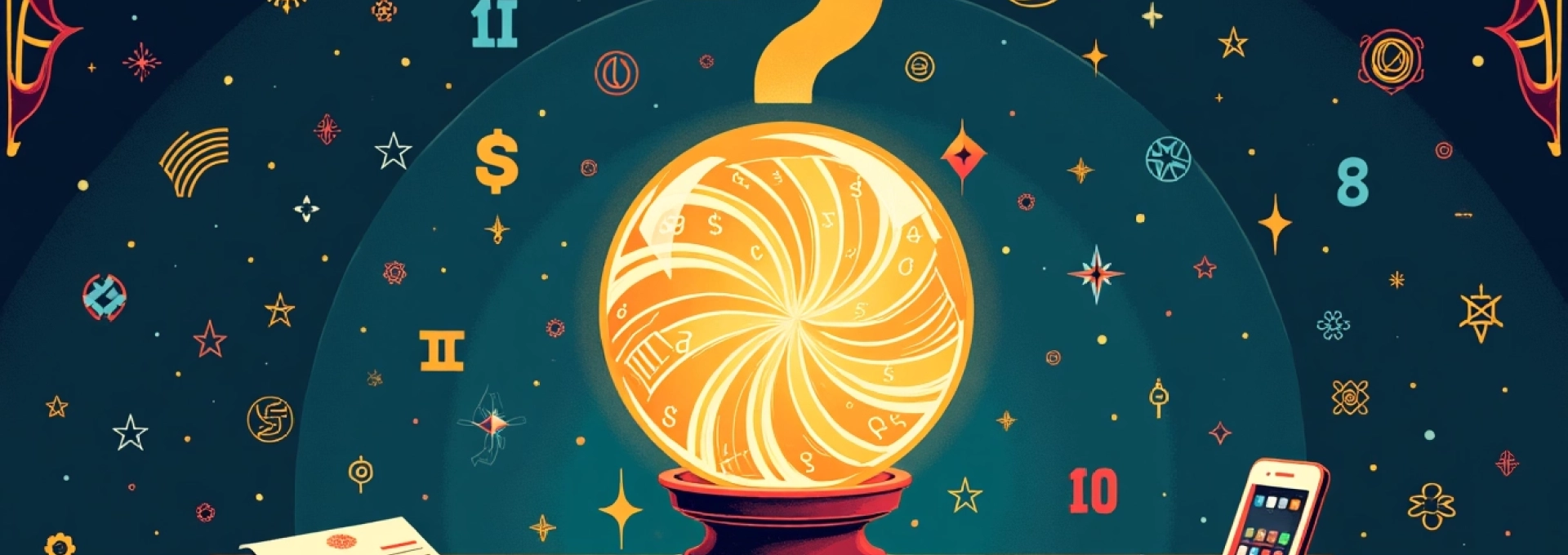
Numéro de chance du jour : comment le calculer ?
Avez-vous déjà ressenti un pressentiment fort envers un certain nombre ? Vous êtes-vous déjà retrouvé à choisir un numéro de porte ou un billet de loterie en fonction d’une intuition ? Le concept de « numéro de chance du jour » est…
Lire la suite
Affiner son don de voyance : techniques et exercices quotidiens
Vous ressentez des intuitions fortes, des visions fugaces ? Vous pourriez bien être doté d’un don de voyance ! La voyance, c’est la capacité de percevoir des informations au-delà des cinq sens, par le biais de la clairvoyance, de la…
Lire la suite
Développer ses dons de voyance : méthodes et conseils pratiques
La voyance : un potentiel à explorer La voyance, souvent perçue comme un don mystérieux, est en réalité un potentiel accessible à chacun. Elle se définit par la capacité de percevoir des informations au-delà des cinq sens habituels, un domaine…
Lire la suite
L’art de lire les signes et symboles dans notre environnement
Imaginez-vous en train de flâner dans un quartier animé, observateur des détails qui composent le paysage urbain. Vous remarquez des graffitis, des panneaux publicitaires, des logos de marques, des expressions faciales, et une multitude d’autres signes et symboles. Ces éléments,…
Lire la suite
2112 : déchiffrez le message caché de ce nombre
Le nombre 2112, bien plus qu’une simple date, intrigue et fascine. Il se cache dans notre culture, dans l’art, et même dans nos vies personnelles, alimentant des questions profondes. Pourquoi ce nombre apparaît-il si souvent ? Plongeons-nous dans l’exploration de…
Lire la suite
Femme gémeaux : pourquoi est-elle si complexe ?
Le signe astrologique Gémeaux, associé à l’élément Air, est connu pour son intelligence vive, sa communication fluide et sa nature adaptable. Mais derrière cette façade charmante se cache une personnalité fascinante et parfois déroutante. La femme Gémeaux, en particulier, est…
Lire la suite
Tirage runes gratuit amour : que vous réserve le destin ?
L’amour, ce sentiment universel qui nous transporte et nous fait vibrer, occupe une place centrale dans nos vies. Mais parfois, des questions nous taraudent, des doutes nous assaillent, et le chemin vers le bonheur semble flou. C’est là que la…
Lire la suite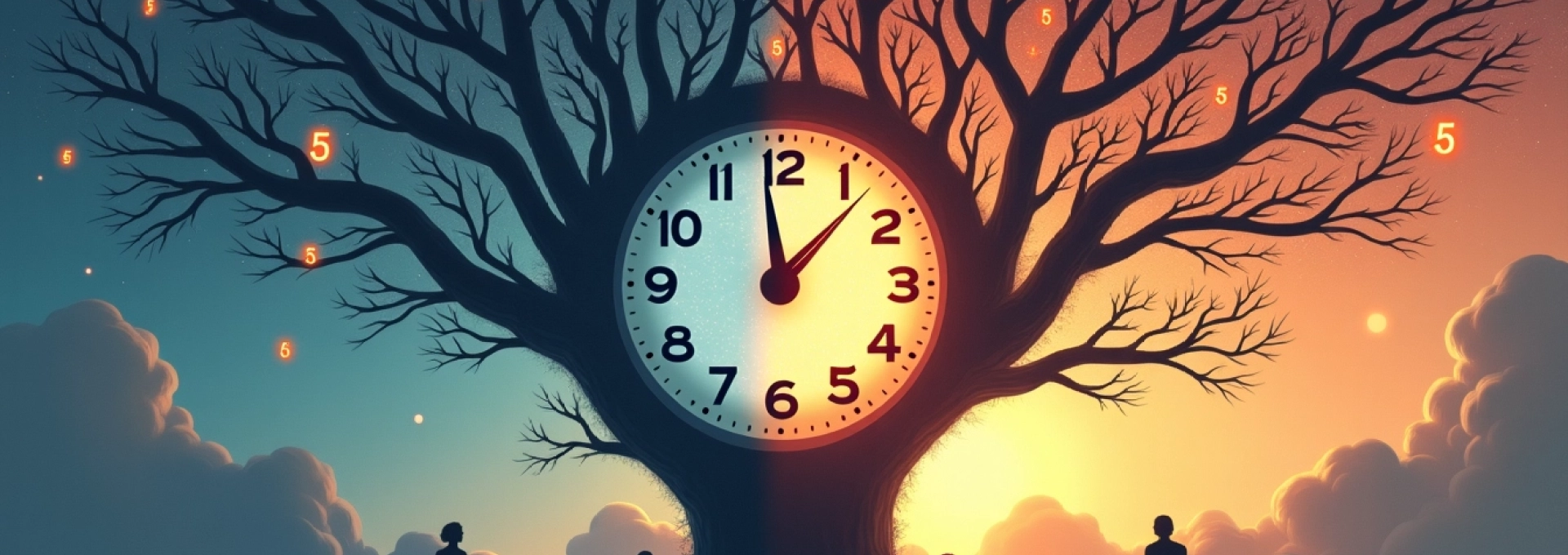
05h05 pour les célibataires : message de l’univers
Vous êtes célibataire et vous remarquez régulièrement l’heure 05h05 sur votre réveil, votre téléphone ou votre montre ? Ce n’est pas une simple coïncidence. En ésotérisme, les heures miroirs sont considérées comme des messages de l’univers, des synchronicités qui invitent…
Lire la suite
Les secrets de séduction de l’homme scorpion : un guide complet
Un homme Scorpion, c’est comme un mystère à déchiffrer, une énigme à résoudre. Comment percer ses défenses et s’attirer ses faveurs ? Les hommes Scorpions, réputés pour leur intensité, leur charisme et leur côté mystérieux, peuvent être des partenaires fascinants…
Lire la suite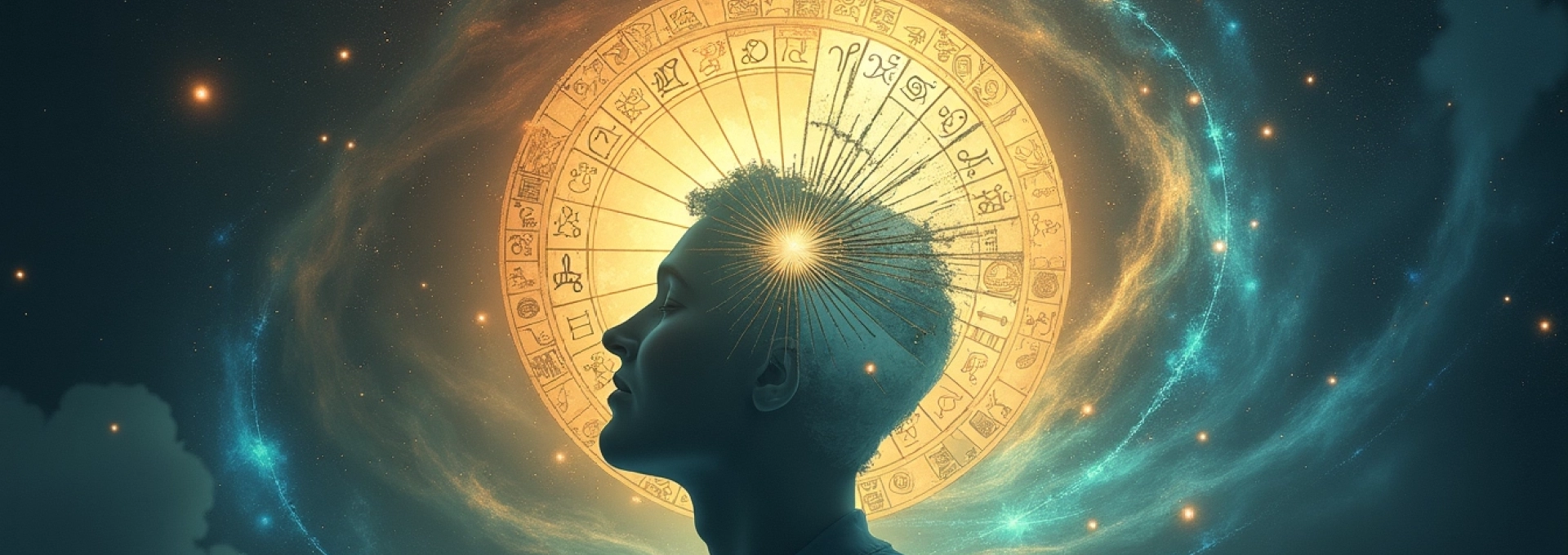
Les secrets pour connaître son ascendant en astrologie
L’ascendant, également appelé « signe ascendant », est un élément fondamental de l’astrologie qui éclaire votre personnalité et votre manière d’interagir avec le monde. Il s’agit du signe du zodiaque qui se levait à l’horizon au moment précis de votre naissance, influençant…
Lire la suite